
Big Country Ranching Town
Listings in Stamford, TX
Welcome to Stamford, a west-central Texas town built by the railroad and the region's ranching heritage, and home of the annual Texas Cowboy Reunion.
Stamford is a city of roughly 2,900 people on the border of Jones and Haskell counties in west-central Texas, about 40 miles north of Abilene in the region known as the Big Country. The town's story is inseparable from ranching and the railroad. In 1898 the Swenson family, whose sprawling West Texas ranches — among them the Tongue River, Spur, Throckmorton, and Flat Top properties — were among the largest of the era, donated the townsite and enticed the Texas Central Railroad to extend its line from Albany. The first train reached Stamford in February 1900, and railroad executive Henry McHarg named the new community for his hometown of Stamford, Connecticut. Stamford quickly became a supply and cattle-buying center for the surrounding ranches, anchored by the Stamford Inn, which was built to accommodate cattle buyers and other visitors. A second line, the Wichita Valley Railroad, later served the town, cementing its role as a commercial crossroads. Cotton and cattle dominated the surrounding countryside, and the town grew into a regional trading point with a substantial downtown for its size. That ranching legacy remains central to local identity: since 1930, the Texas Cowboy Reunion has gathered rodeo competitors and spectators each summer for a three-day event built around the Fourth of July. Today Stamford functions as a small hub for the farms and ranches of the rolling plains around it. Its population has settled near 2,900, and the town provides shopping, schools, healthcare, and services for a wide rural hinterland. Residents value its unhurried pace, its deep rodeo and cowboy traditions, and its place within the Abilene metropolitan area, which puts larger-city amenities, higher education, and a regional airport within an easy drive to the south. For families and retirees drawn to a classic West Texas town with genuine history, Stamford offers a distinctive, close-knit setting.
Get more information about Stamford
Houses in Stamford, TX
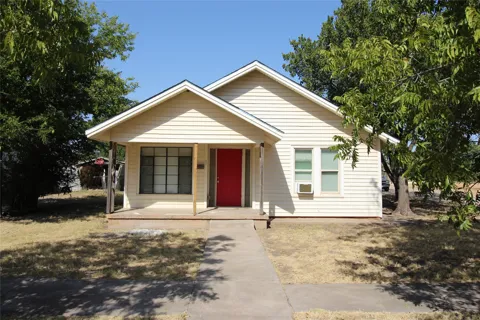
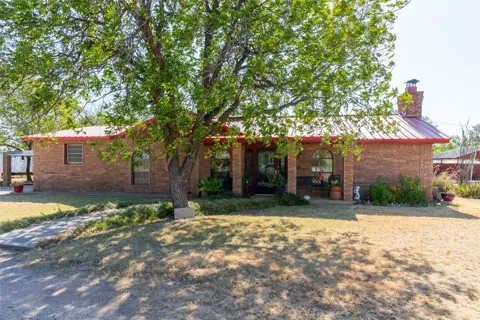
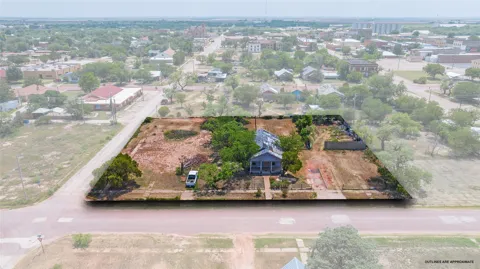
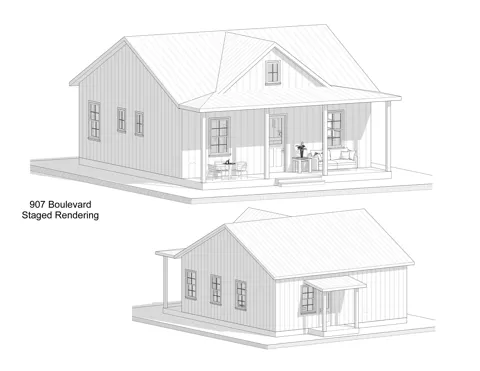
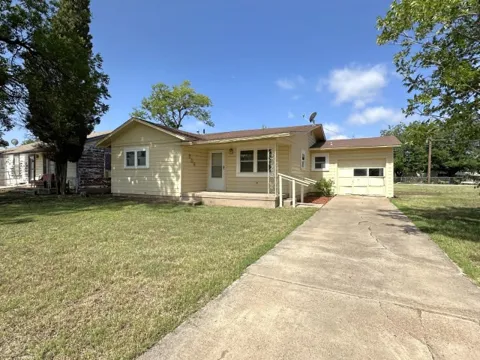
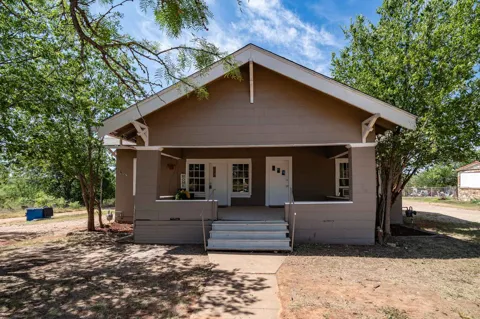
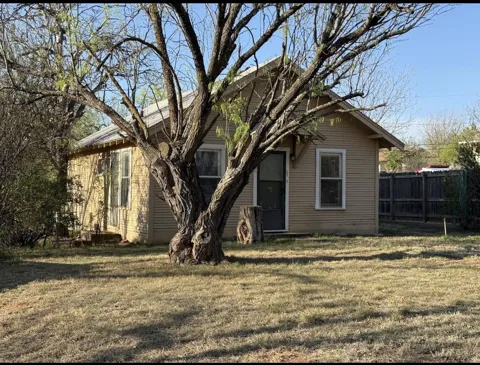
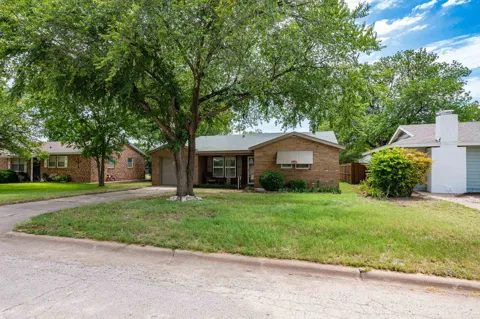
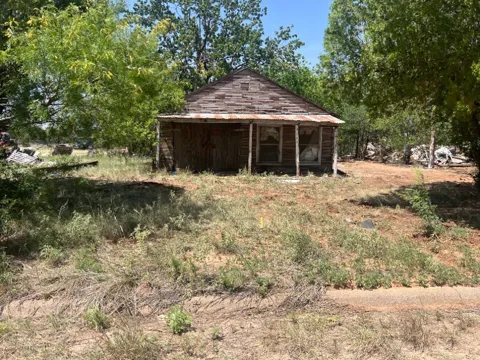
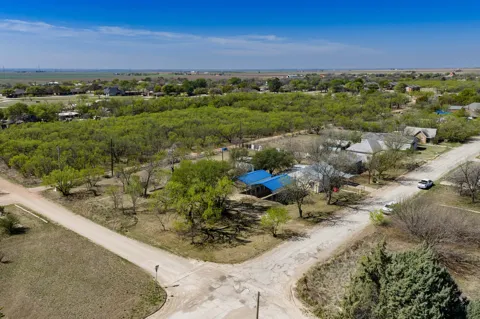
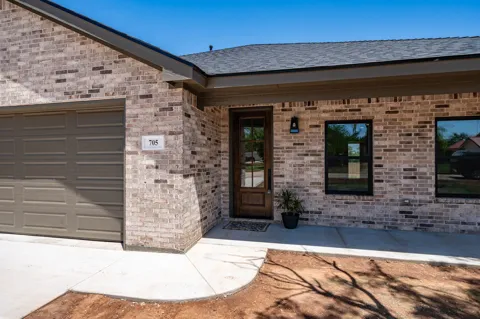
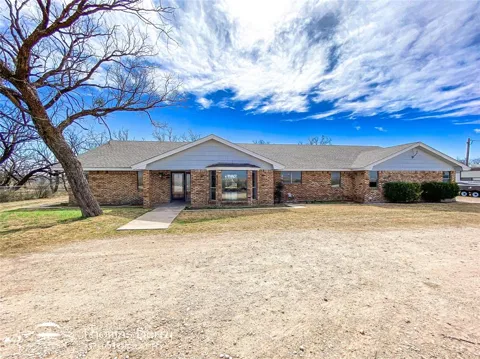
Townhouses & Duplexes in Stamford, TX
MARKET SNAPSHOT
The Market at a Glance
How homes have been selling here over the last 90 days.
Price & Sales History
Market data reflects closed sales over the last 90 days and is provided for informational purposes.
Zip Codes
BROWSE BY ZIP
Browse listings by postal code in this area.
- Grid
- Map
- List
City Guide
About Stamford
Real Estate & Housing
Stamford's housing stock reflects more than a century of growth as a railroad and ranching center. The city's older neighborhoods hold modest early-20th-century homes, many of them wood-frame or brick with deep front porches and mature trees, clustered near the downtown commercial district. The historic Stamford Inn, constructed around 1925 to replace an earlier inn, stands as a landmark of the cattle-buying era. On the edges of town, single-family homes sit on larger lots that blend gradually into open ranch and farmland. The overall character is that of a settled West Texas county town: affordable, low-density residential streets rather than new subdivisions or dense development.
Neighborhoods
Stamford's layout follows its railroad founding, with a compact downtown centered on the historic commercial and civic core and residential streets radiating outward toward the schools and parks. The tree-shaded blocks near downtown contain many of the town's oldest homes, while the periphery offers a more open, semi-rural feel as streets give way to pasture and cropland. Because most of the city lies in Jones County, with a portion extending into Haskell County, residents move easily between the community's small-town center and the wide-open Big Country landscape that surrounds it on every side.
Lifestyle in Stamford
Life in Stamford is shaped by its cowboy heritage. The Texas Cowboy Reunion, founded in 1930 by thirteen local businessmen to lift Depression-era morale and preserve West Texas cowboy tradition, remains the community's signature event: a three-day rodeo held around the Fourth of July featuring bull riding, barrel racing, team roping, and nightly concerts. Beyond the rodeo, daily life centers on schools, churches, and the agricultural calendar of the surrounding ranches. The pace is deliberate and neighborly, and residents take pride in the town's railroad-era architecture and its standing as a long-lived West Texas community within the Abilene metro area.
Schools & Education
Stamford is served by the Stamford Independent School District, which operates three campuses and enrolls roughly 580 students. The district provides pre-kindergarten through twelfth grade within the community, so students attend neighborhood schools close to home rather than traveling to a larger district. The compact enrollment supports small class sizes and close ties between the schools and the town. Families also benefit from the community's location in the Abilene metro area, which places higher-education options and regional resources within commuting distance.
Getting Around
Stamford sits along US 277, the north-south corridor that connects Wichita Falls, Seymour, Stamford, Abilene, and San Angelo, placing the city about 40 miles north of Abilene. State Highway 6 also runs through town. The city was historically served by two railroads, the Texas Central and the Wichita Valley, and its founding directly followed the arrival of the Texas Central in 1900. For residents today, US 277 provides the main link to Abilene's employment centers, healthcare, and regional airport, while state and farm-to-market roads fan out across the surrounding ranch country.
Parks & Recreation
The Texas Cowboy Reunion is the centerpiece of recreation in Stamford, drawing cowboys, cowgirls, and spectators for a multi-day rodeo each summer built around the Fourth of July. The event honors the region's ranching past with competitions, concerts, and community gatherings. Outside of rodeo week, recreation leans toward the rural West Texas lifestyle: school athletics, church and civic events, and the hunting and open-country pastimes of the surrounding Big Country. The proximity to Abilene also puts regional parks, lakes, and cultural attractions within a short drive for residents.
About Stamford
Frequently asked questions
What county is Stamford, Texas in?
Stamford sits on the line between Jones and Haskell counties in west-central Texas, with most of the city located in Jones County. The Jones County portion of the city is considered part of the Abilene metropolitan area, which ties Stamford economically and socially to the regional center to the south.
How far is Stamford from Abilene?
Stamford is about 40 miles north of Abilene via US 277. That places Abilene's shopping, healthcare, higher-education institutions, and Abilene Regional Airport within roughly a 45-minute drive, making the larger city an everyday resource for Stamford residents.
What is the Texas Cowboy Reunion?
The Texas Cowboy Reunion is an annual rodeo held in Stamford since 1930. It was founded by thirteen local businessmen to celebrate West Texas cowboy heritage, and it runs for three days around the Fourth of July with bull riding, barrel racing, team roping, and nightly concerts.
What school district serves Stamford?
Stamford Independent School District serves the city. The district operates three campuses and enrolls roughly 580 students, providing pre-kindergarten through twelfth grade within the community so that students attend schools close to home.
What is Stamford known for?
Stamford is known for its railroad-era founding, its historic ties to the Swenson family ranches, and its long-running Texas Cowboy Reunion rodeo. The early-20th-century Stamford Inn, built to house cattle buyers and visitors, reflects the town's ranching and cattle-trade past.
Still have questions about Stamford?
Get in touchExplore the area